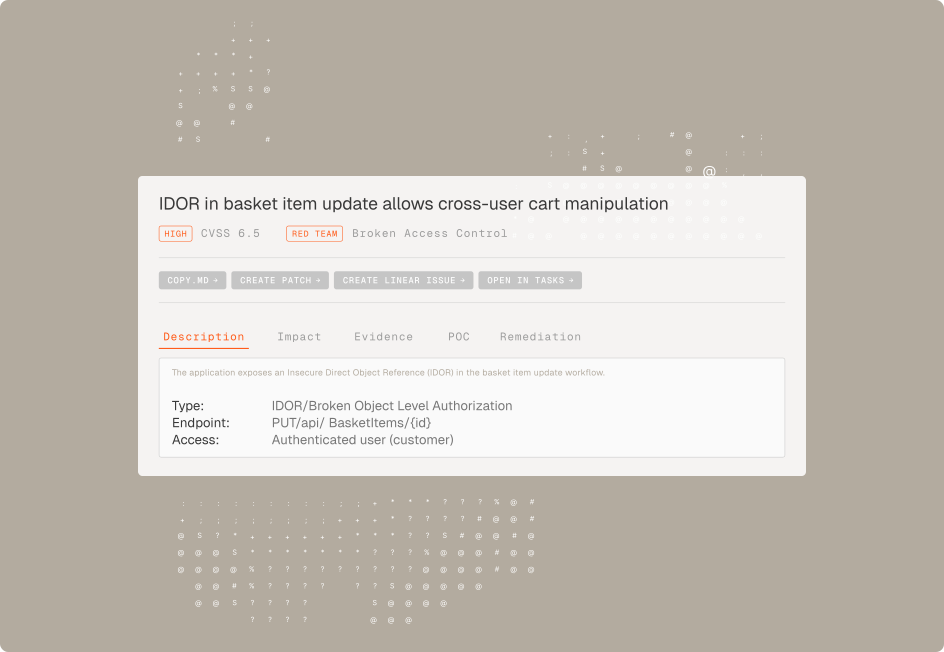
Discover business logic vulnerabilities
Scanners match patterns. Agents understand workflows, chaining legitimate features into the abuse cases that cost you money.










How it works
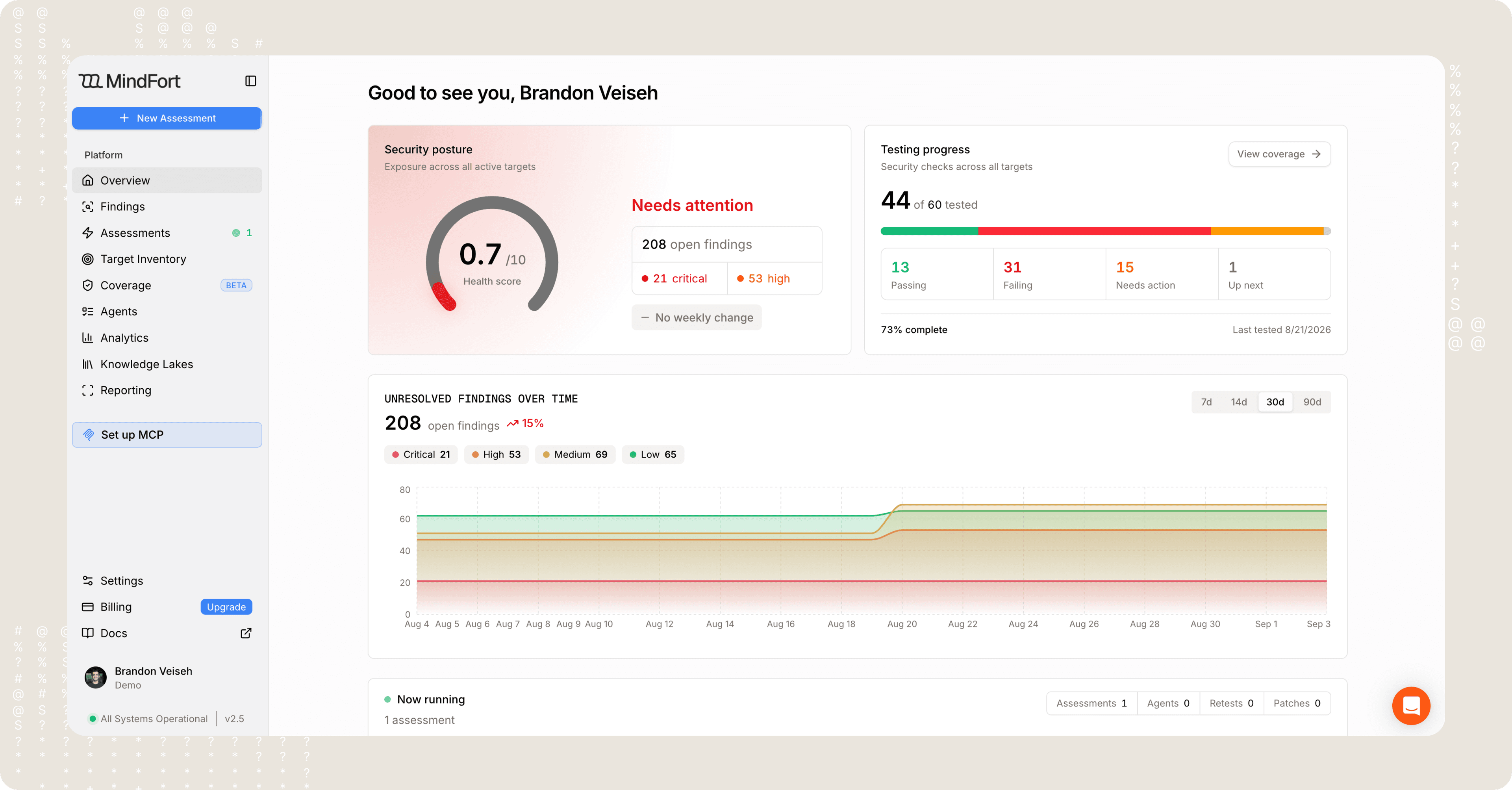
Agents learn how your application is supposed to work, then find the ways it doesn't.
Learn your workflows
Agents walk your app as a real user would, through carts, approvals, tiers, and transfers, building a model of the intended flow.
Find real business logic flaws
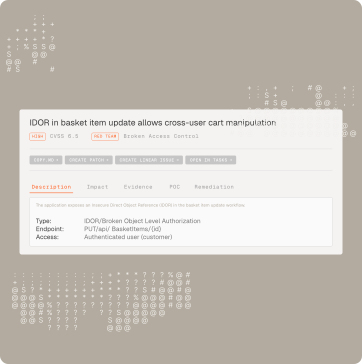
Agents chain legitimate features into real abuse: skip a step, replay a token, change an ID, reorder a request.
Get a fix for the flaw
Each confirmed abuse case comes with the request sequence that proved it and a patch that closes it.
Two Ways to Deploy
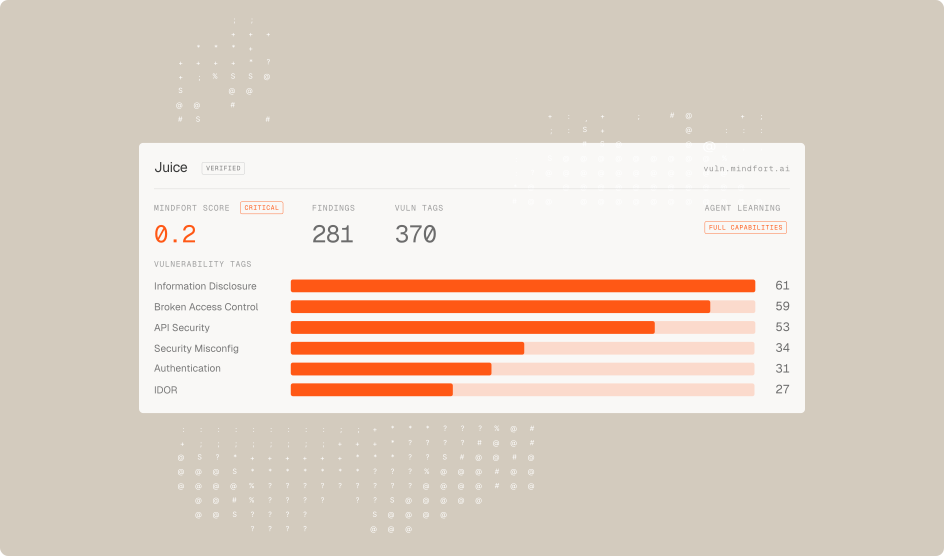
Black Box
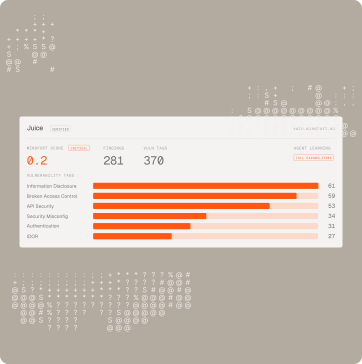
Agents attack with no knowledge of your codebase, exactly like an external attacker.
Schedule on demand, weekly, or monthly. First results in hours.
White Box
Agents also read your source code, so they can trace data flows, spot logic flaws, and find more in every run.
Schedule on demand, weekly, or monthly. First results in hours.
Security that gets better the longer it runs
Agents never start from scratch. They remember your stack, your deploy patterns, and your defenses, so every run starts smarter than the last.
Environment-aware testing
Agents map how your teams build, deploy, and configure systems, tailoring their testing and remediation to your specific stack and conventions.
Continuous context building
Every operation deepens an agent’s understanding of your environment. Past findings, infrastructure changes, and deployment patterns all inform future runs.
Adaptive attack strategies
Agents remember what worked and what didn’t. They evolve their approach based on your specific defenses, getting sharper with every cycle.
Efficient at scale
Agents skip re-discovering what they already know. That time goes into deeper testing and broader coverage.